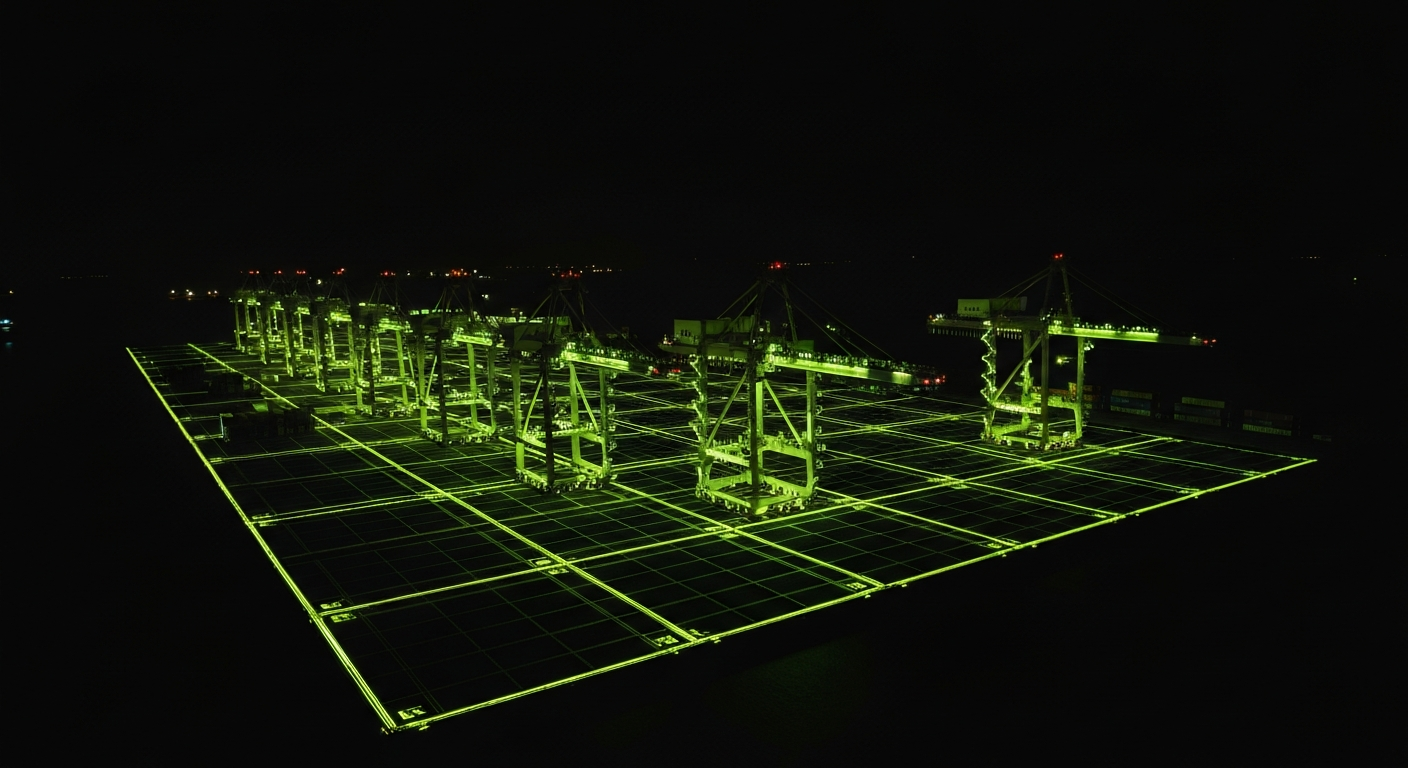
TL;DR: Stop just predicting supply chain problems. By 2026, AI agents will fix issues in real time, cutting costs and stabilizing operations.
Your supply chain just broke. A truck is stuck. A factory stopped. You saw it coming. Your AI system probably even warned you. But what next? Your team still has to fix it. That stops now.
What Makes an AI Agent Different from Current AI in Supply Chains?
An AI agent does not just warn you about problems; it solves them. It perceives, reasons, decides, and acts across your business systems. This changes how you handle disruptions. Current AI gives insights, like improving forecast accuracy up to 30%, but it does not act. An AI agent is a program. It watches its environment, sets goals, makes decisions, and performs tasks on its own. A chatbot just replies; a Zapier automation follows a script. An agent adapts its actions as conditions change. This drives real AI supply chain optimization in 2026.
From Passive Insights to Proactive Intervention
Traditional AI analyzes data and gives reports. It tells you inventory is low or demand will spike. An agent uses that same data but then takes action. If a critical component shipment is late, an agent can find other suppliers. It checks their stock, reroutes orders, and updates your manufacturing schedule, all without human input. This action means fewer bottlenecks and faster problem resolution.

How Autonomous Agents Deliver Up to a 20% Inventory Cost Reduction
AI agents cut inventory costs up to 20%. They do this by adjusting stock levels and logistics to meet demand, reacting to market shifts or disruptions. Businesses using advanced analytics and AI often see a 20% drop in inventory cost and a 20.3% cut in inventory levels. Agents achieve this by integrating real-time data from your whole network. They watch everything: raw material availability to customer order patterns.
The Collapse of Decision Latency
The biggest win is speed. Human teams take time to gather data, discuss options, and decide. This "decision latency" can last hours or days. An agent cuts this time. It senses a change, analyzes solutions, and acts in seconds. Imagine a sudden surge in demand for a product. An agent can instantly reroute stock from a slower-selling region, adjust production schedules, and even start new supplier orders, all before you finish your morning coffee. This continuous decision support makes your supply chain adaptable.
Are AI Agents Just for Enterprise, or Can Small Businesses Use Them?
AI agents are not just for big companies; small businesses can use them. They automate complex tasks, build resilience, and free up lean teams for strategic work. Enterprise solutions often mean huge custom builds. But the core technology scales down. High initial costs and integration complexity are pain points for many, but modular, cloud-based agent systems are emerging. These systems focus on specific, high-value tasks, making them accessible.
The 'Human-in-the-Loop' Advantage for SMBs
For small businesses, the agent works with your team, not against it. This is the 'human-in-the-loop' model. The AI handles high-volume, repetitive tasks, automating up to 60-70% of transactional procurement actions. Your people then focus on relationships, complex negotiations, and strategic oversight. For example, a small boutique with multiple online stores and a physical location might use an agent to reorder popular items automatically, cross-reference supplier prices, and even manage returns processing. Your team avoids manual data entry and focuses on customer experience.
Frequently Asked Questions
How quickly can an AI agent system be implemented? Implementation speed varies. Many modular AI agent systems for specific supply chain functions can go live in weeks to months. It depends on your current systems and the problems you want the agent to solve first.
Will AI agents replace my existing supply chain team? No. AI agents automate repetitive, data-heavy tasks. They make your team more efficient and strategic. They free your experts to focus on hard problem-solving, supplier relationships, and high-level strategy, instead of manual data or crisis management.
What's the typical return on investment for AI in supply chain optimization? Businesses using AI for supply chains see an average 12.7% drop in logistics costs and big inventory cuts. The global AI in supply chain market grows fast. This shows strong ROI for businesses that use these tools.
P.S. If you want an AI agent already handling this kind of thing, BOB is what I'd hand a business owner today. No setup headaches, no API keys, no DevOps. Try BOB free for 7 days.